
A New Information Order
Six predictions for how the unraveling of trust in American institutions will change the global information ecosystem in the age of AI

Note: This will be my last new essay until November, as I’ll be spending the next two months hard core prepping for the final exam of an advanced wine qualification that I’ve been studying for the last year. I’ve got a lot in the works for Feed for Thought - new formats, topics, and practical advice for sharing your expertise online. Thanks for your patience and for being part of this community!
For as long as most living Americans can remember, the United States’ position as world leader has felt unshakable. US innovation revolutionized global media and information – from CNN’s 24 hour news format to Hollywood’s export of American culture to Facebook’s democratization of speech. But the age of American dominance in global soft power is ending – ironically, much of it by the US’ own hand.
As a result, the global information order is also shifting. Commercial pressures have eroded editorial and moderation standards, while exposing how slowly institutions could adapt in their roles as public sources of information (even as they continue to play other roles in research, governance, and society). Combine that with today’s politics and the rapid advance of AI, and those forces are now dismantling institutional power and its ability to anchor public trust at an unprecedented pace.
What fills the void when American institutions lose their authority over public information? Perhaps the most American response of all: people go independent.
A Tale of Four Mediums
Across journalism, commentary, culture, and technology, the same pattern is repeating: early innovation leads to dominance, institutions falter, and individuals go their own way.1
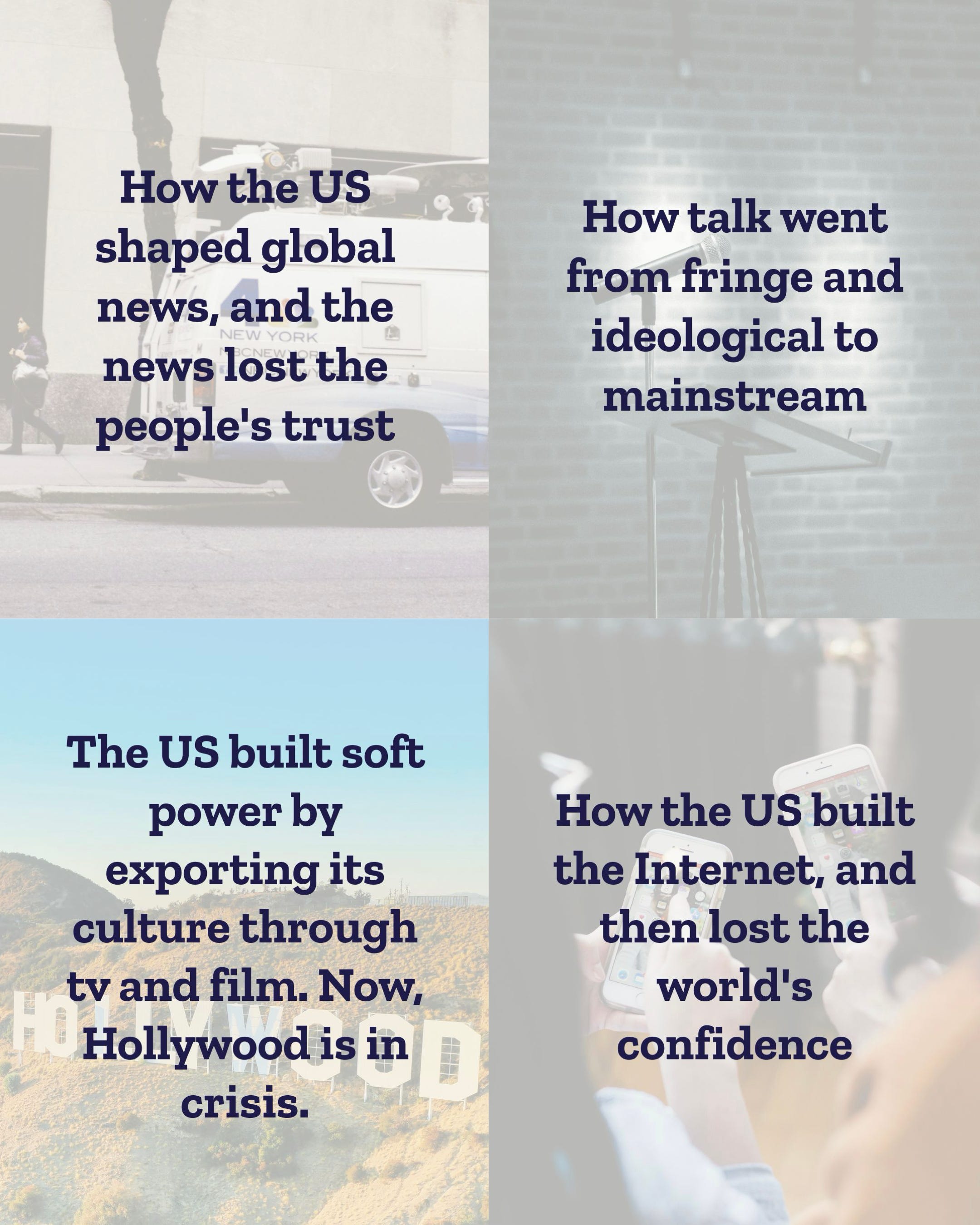
But the Great Fragmentation isn’t just an American story. News consolidation and deserts stretch from Australia to Canada and across Latin America. Political comedians in India are facing retaliation, and Korea now dominates global pop culture. Everywhere, shifts in media and information are appearing in real time.
But now, we’re not in a game of Risk, with territories duking it out for the top spot. With institutional affiliation getting devalued and AI lowering barriers to entry, the next information order won’t belong to a single superpower. It will be woven together by a decentralized patchwork of voices around the world.
So where does this lead us?
Six predictions for where the global information ecosystem is heading
1. We’ll see more content and more mediocrity (yes, more of both). But originality will shine.
With both AI and institutional distrust growing, more individuals will enter the content game. If you already feel overwhelmed by too much media, buckle up (or take a preemptive nap) because it’s about to get even more crowded.
The good news is that AI will not just increase volume; it will also raise the baseline. Already, AI-generated ads and posts are flooding TikTok and LinkedIn feeds. Eventually, those reliant on it will start to sound the same and become indistinguishable from each other. That’s why originality will still matter. People with genuine thought, voice, and talent will stand out even more sharply against the noise.
2. Once a red flag, self-publishing will signal agency and authenticity.
Credibility used to hinge on institutional affiliation, but for many people these days, that feels more like a liability. Trust and credibility are now communicated through being an outsider: rejecting traditional structures, owning your IP, and cultivating your own identity.
Look at Taylor Swift: by re-recording her catalog into Taylor’s Version and buying back her masters, she single-handedly turned content ownership into a battle cry for empowerment, freedom, and financial control.

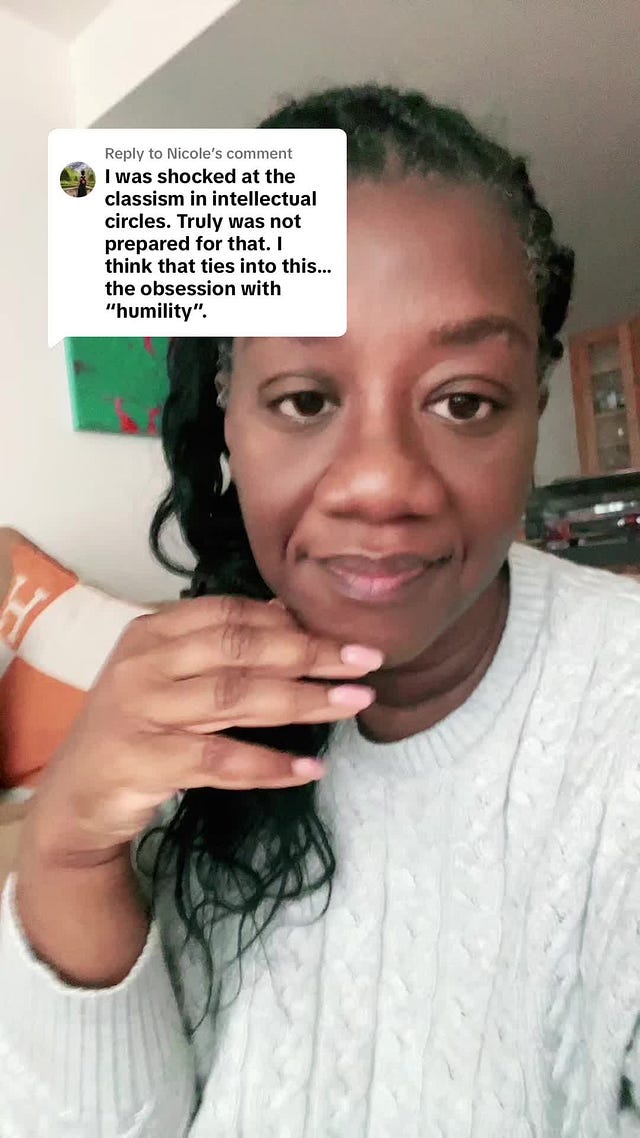
The same pattern is emerging across more ‘serious’ fields as well, albeit with somewhat less glitz and fanfare. In journalism, figures like Terry Moran, Don Lemon, and Joy Reid have turned their departures from network news into thriving independent platforms. And in academia, scholars like Tressie McMillan Cottom, Heather Cox Richardson, and Anne Helen Petersen have proven that the general public is eager for thoughtful commentary on American politics, history, and culture.
 Tiktok failed to load.
Enable 3rd party cookies or use another browser
3. Content hosting will be a new frontier.
The shift towards independence will create demand for new infrastructure, especially as content starts to double as both product and marketing strategy. Hosting platforms – like Substack for newsletters or Spotify for podcasts – will grow increasingly distinct from promotion channels like LinkedIn and Instagram.
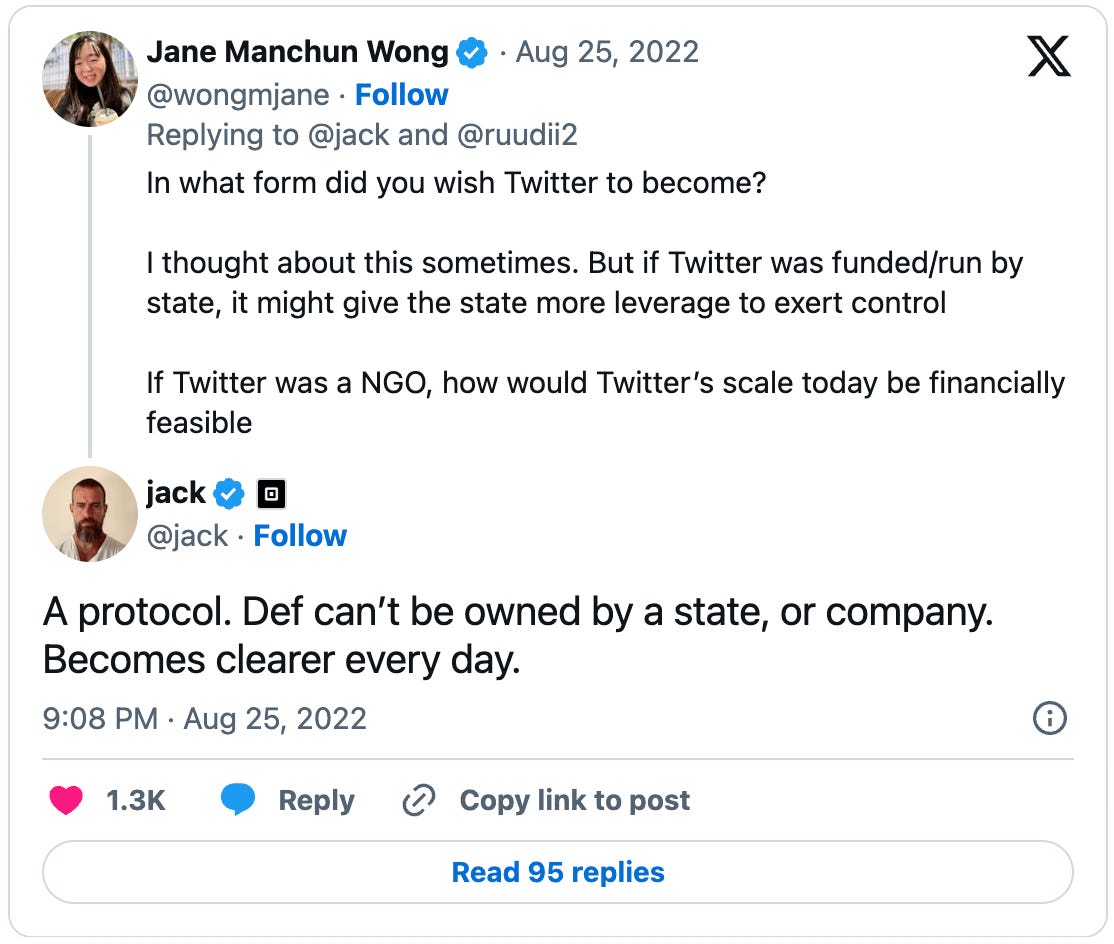
Thanks to AI, no-code tools will make it easier for non-techies to build without waiting on Silicon Valley. This shift is already underway: open source platforms like Mastodon and Ghost are emerging amid declining trust in Big Tech, while major players are investing in decentralized platforms beyond traditional corporate control. The next generation of content platforms will almost certainly be built on protocols like these.
4. Platforms (and influencers) will get smaller and more specialized.
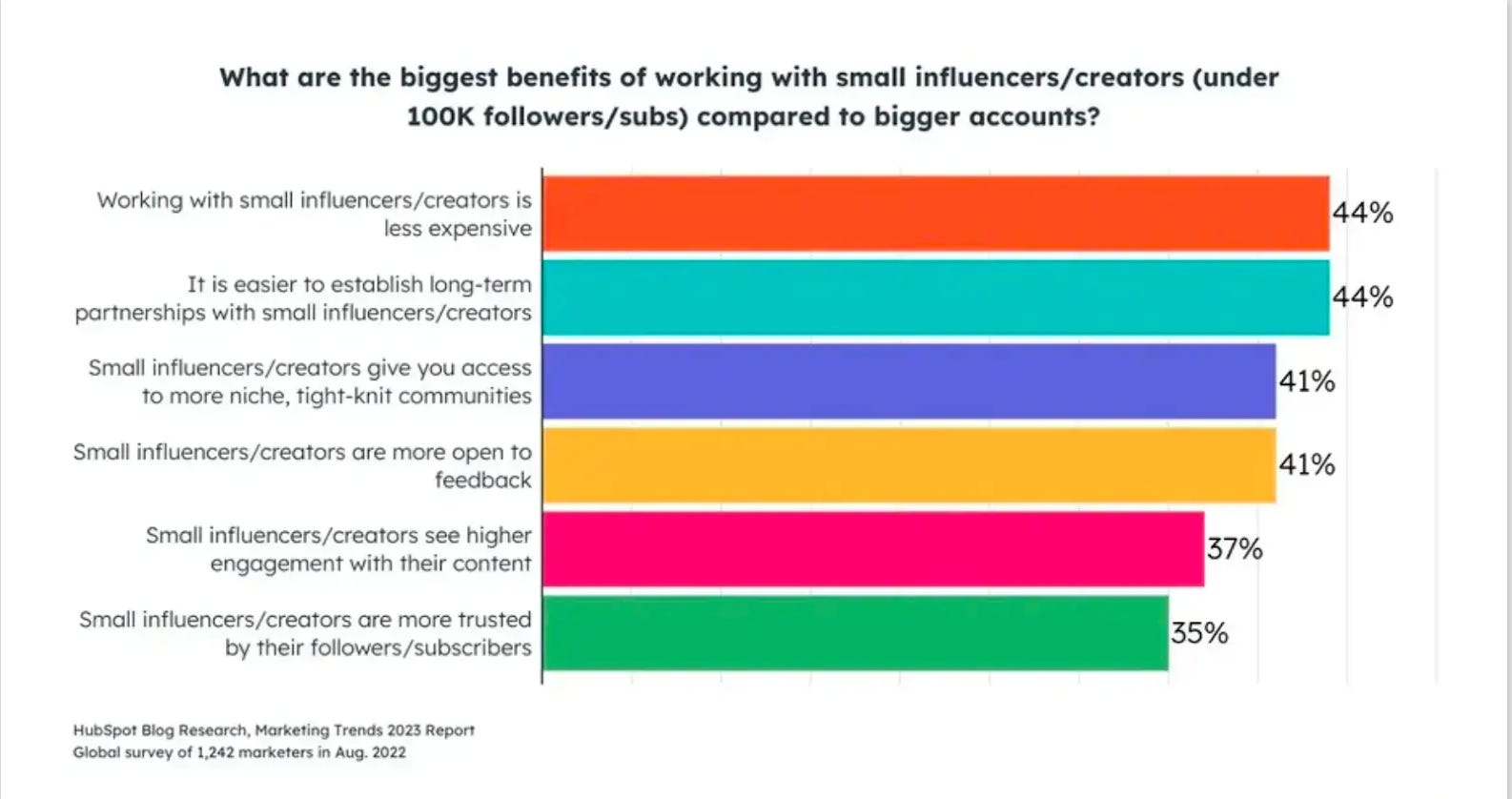
Creators and brands aren’t chasing the biggest audiences anymore; they’re optimizing for the right people to engage with. As a result, the major platforms we know today will start to resemble network TV – massive, generic, and dominated by either a handful of mega-creators or low-quality filler.
The real value – to both creators and audiences – will shift to bespoke channels that are built around specific needs: curating by genre, subject matter, or ideology; offering exclusivity through invite-only communities; or supporting learning through interactive formats. We’re already seeing this with Substack subscriptions, Discord servers, and Patreon communities. In a world of AI-driven sameness, curation will be king.
5. Underserved regions will finally get their due.
As channels become more specialized and product development more accessible, barriers to entry will fall for the parts of the world that have long been oversimplified by California-based companies and underserved by institutions unable to tailor their content for all audiences. In places like Southeast Asia, South America, and across Africa – where platforms like Facebook and WhatsApp often feel like the whole Internet – local innovators will increasingly build channels for their own communities.
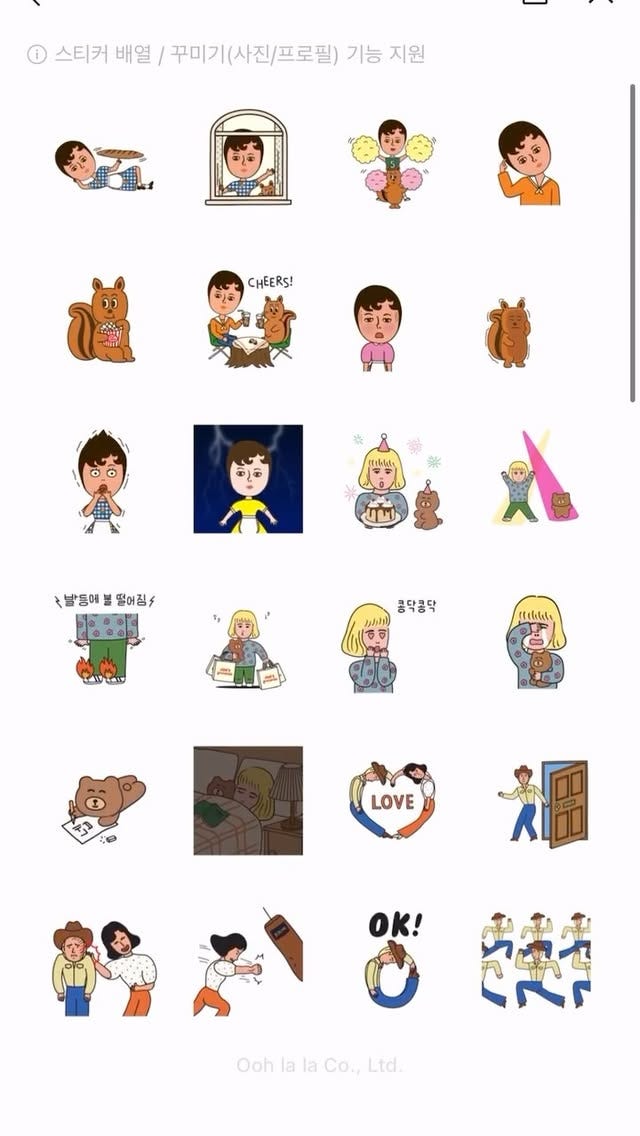
Take, for example, the social network LINE in Taiwan. By investing in its original stickers market, the platform eschewed Western norms and deeply localized its product. Staying small has also enabled LINE to innovate on fact-checking while preserving end-to-end encryption. Today, LINE serves 94% of the Taiwanese population — much higher than the 65% on Facebook.
Or consider ShareChat in India, a country with 22 official languages. Built specifically for non-English speakers, it now serves 180 million users across 15 regional languages. By centering linguistic and cultural nuance, ShareChat serves audiences that have largely been ignored and harmed by US platforms.
Together, these examples show how the Western-centric hierarchy of information and moderation is giving way to a more polyphonic ecosystem.
6. Fragmentation will make the media harder to manage. That’s not necessarily bad.
The splintering of platforms into smaller, specialized channels means there will no longer be a handful of ‘public squares’ to observe or regulate. It will get harder for researchers to study information flows as credibility lines blur and conversations move into semi-private spaces. Governments, too, will find it harder to develop sound policy, or even track the messages circulating online (an outcome that can be either a blessing or a curse). Authority will become more diffuse, less predictable, and nearly impossible to steer from the top down.
For institutions and individuals seeking to reach people with quality information, it will get harder to amass large audiences. But that’s not necessarily a loss. Influence won’t be built on the number of followers anymore, but on your consistency in showing up, your comfort with building a personal brand, and your willingness to collaborate with others who engage different audiences than you. Those are things that you can control.
Together, these shifts point to a new information order: less centralized, but more open to those who participate.
The age of American dominance in global media and information is ending. What once felt like an unshakable hierarchy of institutions has fractured under its own weight, accelerated by politics and amplified by AI. What comes next won’t be another single superpower, but a mosaic of individuals, platforms, and communities around the world.
If we act quickly, these changes can hold real promise. As experts and primary sources of information, we need to accept that the next order won’t be built on a top-down standard of ethics, but a culture of participation. The challenge is whether we can adapt our own notions of credibility fast enough to meet this moment.
before you go…
Scrolling through
In light of the programming changes at the Kennedy Center, I want to share the work of Final Bow for Yellowface, cofounded by Phil Chan (a college friend of mine) and Georgina Pazcoguin. The org advocates for greater Asian representation in the arts and reimagines canonical Western works like The Nutcracker and Madama Butterfly without Orientalism or harmful Asian portrayals. Just last year, they collaborated with the Kennedy Center itself.
Here’s how Aaron Parnas, one of TikTok’s biggest news creators, explains his editorial approach to The Cut: ‘Anything that I can understand in five minutes or less, I cover.’ Thoughts?
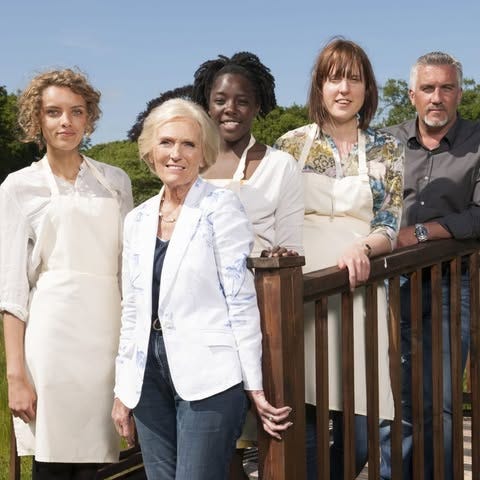
Anyone who’s been a fan of The Great British Bake-Off will enjoy this piece by former contestant Ruby Tandoh. Nowadays, it’s normal that so many social media stars are cooks and bakers. But as Ruby writes, ‘that’s because you are living in the world Bake-Off built.’
and one more thing…
Happy place
Stephen Colbert coined the term truthiness 20 years ago on The Colbert Report — long before alternative facts made it into official talking points. Moving to The Late Show grew Stephen’s audience, but dulled his edge. I can’t wait to support whatever podcast / digital show / comedy special he does next.
Substack doesn’t enable carousel embedding in articles, and TikTok doesn’t enable hyperlinks in carousels. But it seems I am committed to both the carousel format and being transparent about my sources. So to see the full versions of each visual story with source links, you can find them here.