
Goodbye, Attention Economy. Hello, Expert Economy?
It's been a rough time for experts working in institutions. But professional precarity may open new paths for personal agency -- and improve public knowledge along the way.

Note: I quietly published Inside the World’s Largest COVID-19 Campaign, about my experience building a global coalition of public health experts, creative partners, and tech experts during the pandemic. We reached two billion people worldwide with trusted information about preventive health and vaccines. Cross-sector collaboration is often called for in moments of crisis, but it’s rarely documented as operational playbooks. Take a look if you are interested in the behind-the-scenes of how a large campaign can work.
See ya, 2025. It’s been… interesting.
A second Trump presidency reshaping the world order. AI blurring the line between human craft and machine output. White collar jobs once seen as golden tickets now proving much less secure.
In real time, the nature of work, authority, and trust is being renegotiated all around us.
And yet — I’m ending the year feeling optimistic about the future of expertise online.
Let me explain.
-
It’s been a rough time — to say the least — for anyone working in institutional environments. The layoffs that shocked tech and media workers a few years ago have now spread to all sectors. Universities, medical providers, government agencies, civil society, and humanitarian organizations are all making cuts due to reduced funding, inflation, rising costs, and political pressure.
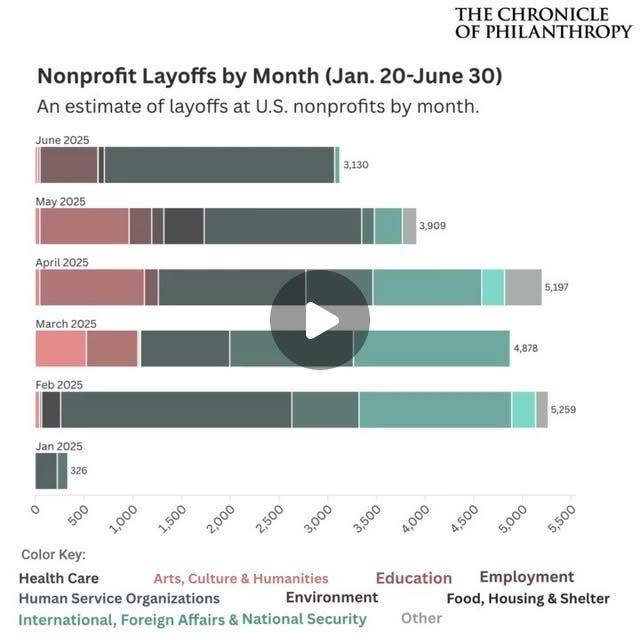
Jobs that once promised security and purpose are becoming less predictable and fulfilling. Many skilled Millennials and Gen Xers, who spent years building their expertise within institutions, now live with uncertainty – whether they’ve already been laid off or are worrying about the possibility of it.
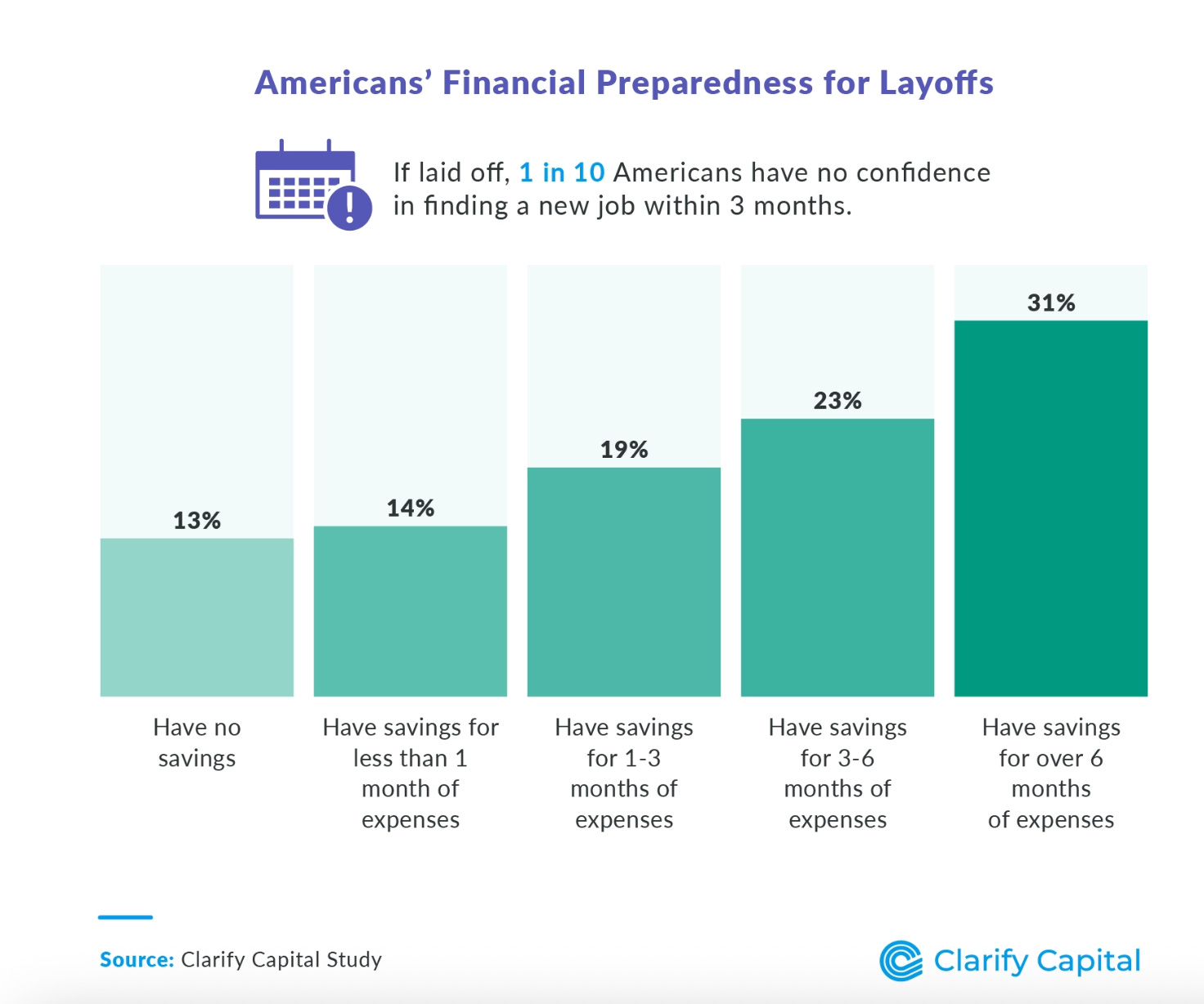
Beyond survivor’s remorse, those who keep their jobs face different strains. Academics grapple with fewer tenure-track positions. Doctors and nurses work within ever-constrained health systems that undermine patient care. Career public servants encounter rising hostility from both elected leaders and the public.
For experts who have long tied their identity and impact to their jobs, this moment is more than professionally destabilizing. It’s deeply personal.
Hoping to have a positive impact on the world, many people with institutional careers follow an established path: pursue rigorous training, work their way up a hierarchy, and build credibility inside institutions meant to last. When those structures weaken, it leaves people unsure of where their expertise lives — or how it should be exercised — outside of them.
That’s why online participation is now vital professional practice for institutional workers.
Building a personal body of work – through long-form writing, speaking on camera, or curating articles – allows experts to maintain agency and presence amid professional precarity. It helps them build continuity beyond any single role, while contributing to the public discourse about their field.
-
The added benefit to greater expert participation is, of course, that it improves the overall quality of information online and builds bridges with the public. And as content creation becomes more accessible, experts serving marginalized communities can build direct connections and close information gaps that legacy systems have long neglected.
In fact, the digital ecosystem now demands exactly the kind of content that institutional experts have to offer: slow, substantive information rooted in lived experience and expert judgment.

 Tiktok failed to load.
Enable 3rd party cookies or use another browser
-
Yes, friends. The attention economy is finally fading away. For the past decade, digital media has been shaped by a race for virality. Creators made short, easily consumable content to trigger emotional responses and keep people watching. Instead of connection, it rewarded division.
Recently, AI seemed ready to supercharge that dynamic. Instead, it appears to have sped up its decline.
Around the world, audiences are exhausted by media overload. Young digital natives are increasingly skeptical of online content. Some even trust nothing at all — which presents a very different issue than the misinformation problem faced by older generations.
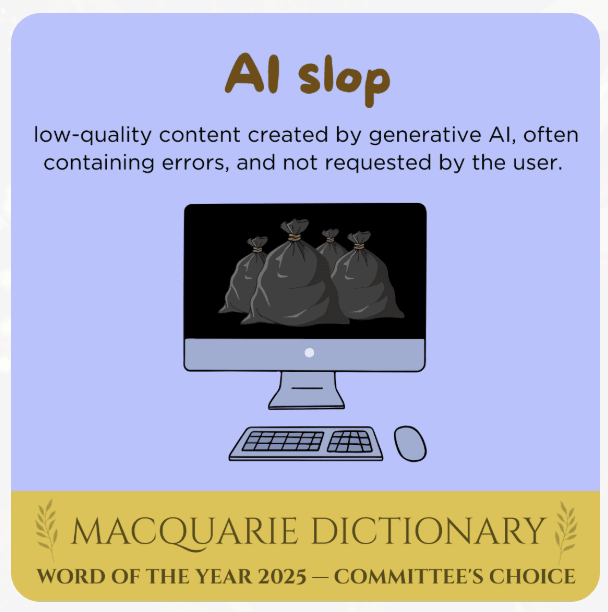
The Internet’s enshittification has had some unintended benefits, however. The flood of AI slop – generic, low-effort, low-quality content – has made it harder for creators lacking original perspective to stand out. At the same time, it highlights those who do. Tools like ChatGPT have changed how people seek information, flattening knowledge access while also raising demand for real-life context and expert judgment.
It’s a course correction that is yet to be named. Whatever we end up calling the next era – the intimacy economy, the cognition economy, the connection economy – the underlying shift is clear: people want substance and genuine human perspective.
You can see this shift in how platforms are evolving. Networks built on social connections and follower counts – think Facebook, Instagram, and LinkedIn – are adapting to search- and discovery-driven models like YouTube and TikTok. Ever the trendsetter, TikTok is advancing its focus towards specialized, learning-based content over broad generalities.
Furthermore, platforms no longer prioritize content based on superficial views or likes, but rather by depth of engagement. Do people watch your content to the end? Do they share it? Do they watch consistently?
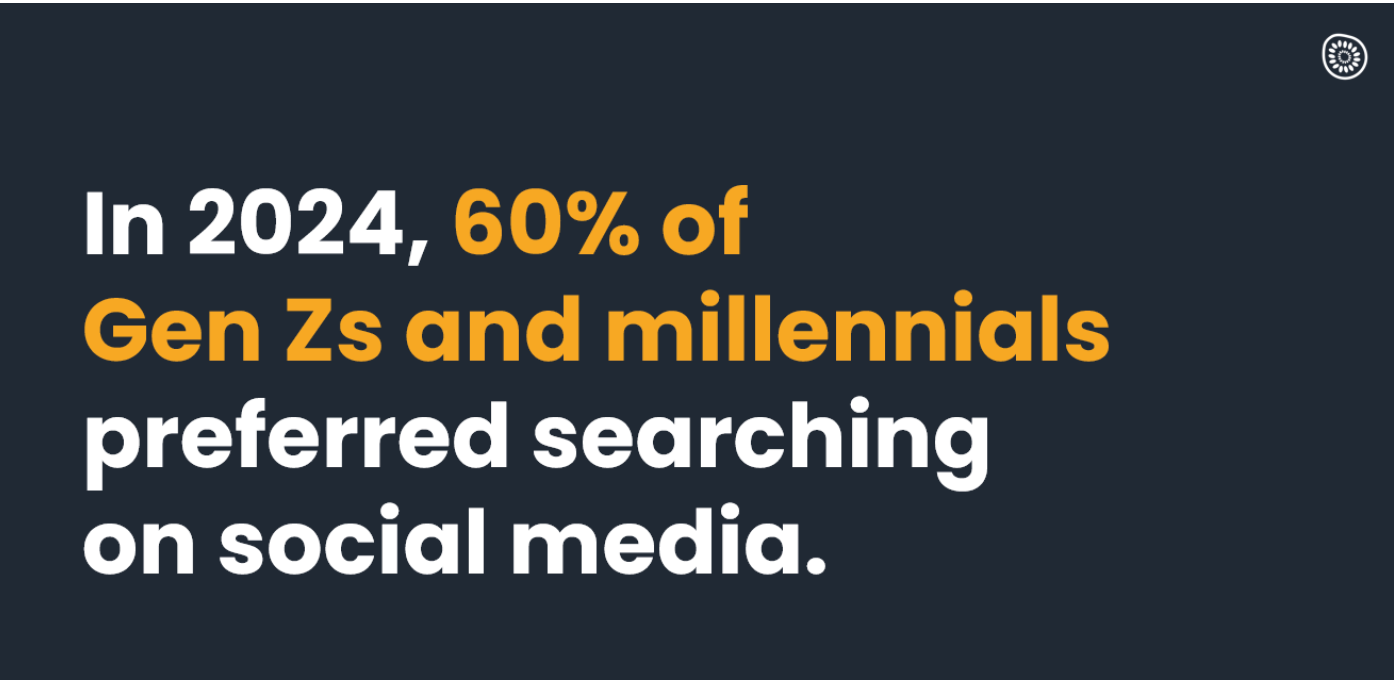
See where this is going? Audiences want depth — and commercial sectors are adapting accordingly. Mega-creators now deliver less value for brands, as do traditional celebrity endorsements. Instead, niche creators with smaller, more engaged audiences are proving more valuable because of their specificity and credibility in their niche.
For experts, this is a far friendlier environment than before. Many believe that factual information can only survive online as soundbites stripped of nuance. Maybe that used to be true. It isn’t anymore.
-
That’s where my optimism comes from. But it also feels urgent. If experts remain hesitant, they’ll cede space to less credible people with better content skills to shape public discourse about their fields. That risks exacerbating feelings of lost agency, relevance, and identity. But they can adapt. As with anything hard, it will be easier with help.
I’m on a mission to build tailored support for subject matter experts to participate online with confidence. You can learn more at my new website.
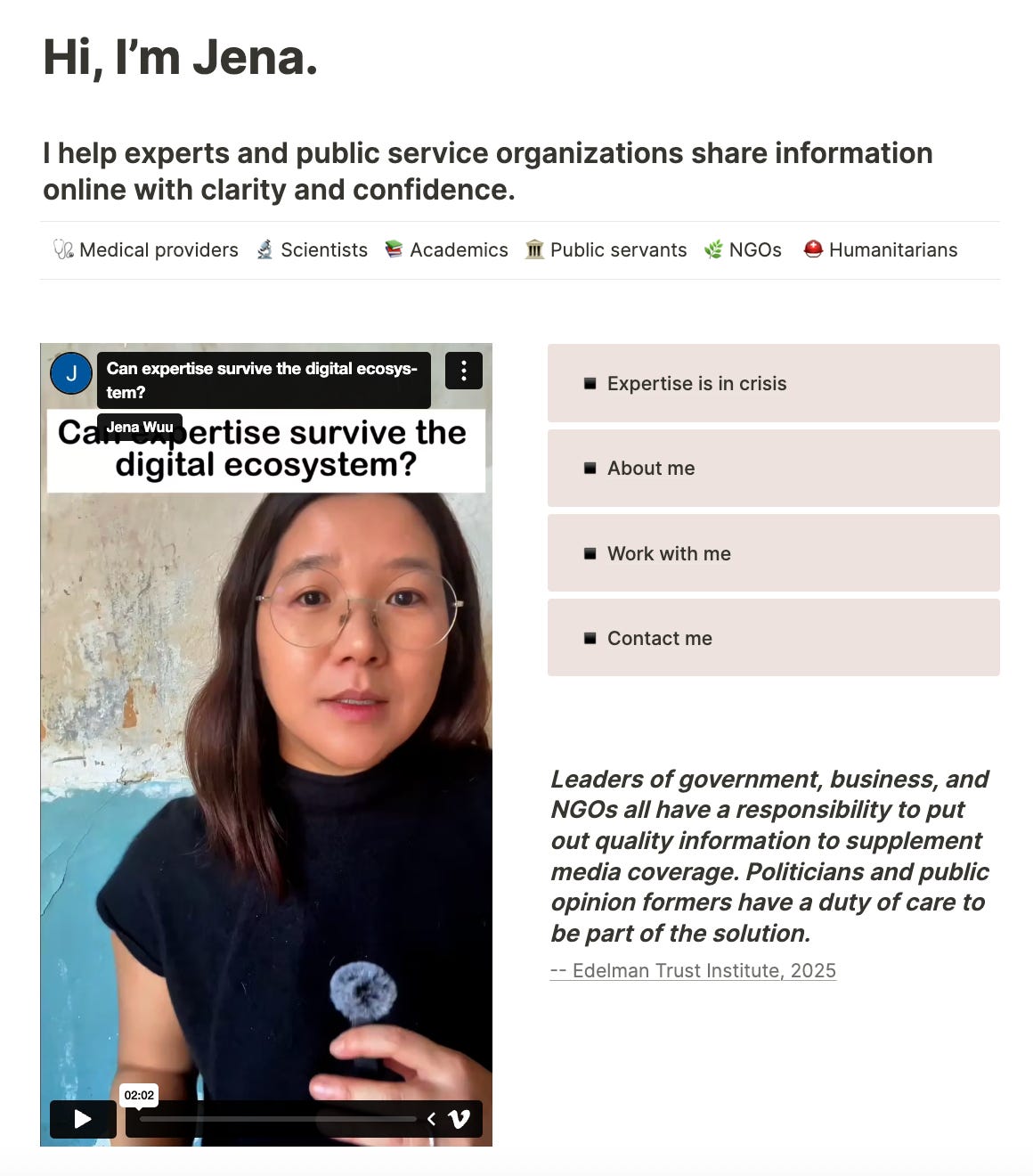
In the new year, I’ll be testing new formats for empowering experts to share their knowledge online. That includes educational content, cultural analysis, and case studies of experts who already excel at this. If there’s something you’d like to learn about, let me know.
And if you know a doctor, nurse, scientist, researcher, educator, humanitarian, or public servant – please share this with them. I’d love their feedback.
This project is a love letter to the passion, grit, and hope it takes to build expertise in something — and the people who do it to serve the public good.
Happy holidays, and see you in 2026. ◾
Love how you framed institutional precarity as an oppertunity rather than just a loss - that perspective shift matters. The attention economy burning itself out with AI slop is kinda poetic honestly, and platforms finally rewarding depth over virality feels like the correction we needed. What really stuck with me is how this opens doors for experts serving marginalized communities to bypass legacy systems that ignored them. Building direct connections and closing information gaps could be transformational if enough people lean into it. The timing is intresting too since trust in institutions is tanking right when individual experts have the tools to build credibility independently.